No Water Means No Pets
May 21, 2025
Does your family have a dog for a pet? According to the American Society for the Prevention of Cruelty to…
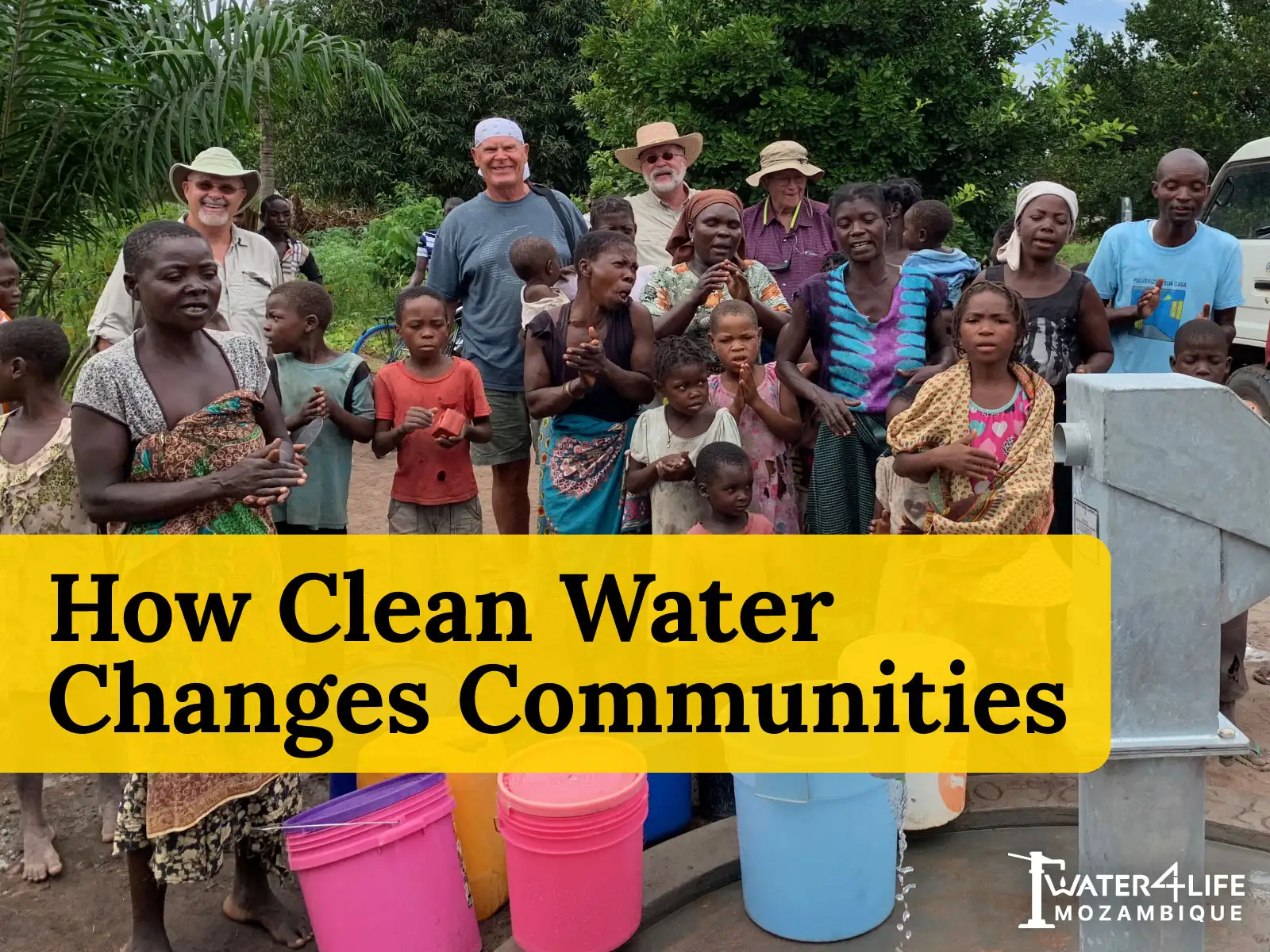
If you’ve ever wondered how clean water changes communities, the answer is bigger than most people expect.
In places like rural Mozambique, water is not just something you turn on and off. It shapes daily life. It determines whether families stay healthy, whether children can go to school, and whether a community has the ability to move forward.
And when access to clean water is missing, everything becomes harder.
But when it’s restored, everything begins to change.
The most immediate way clean water changes communities is through health.
In many rural areas, families rely on unsafe water sources like rivers or shallow wells. These sources often carry harmful bacteria and parasites, leading to diseases such as cholera, typhoid, and chronic diarrhea.
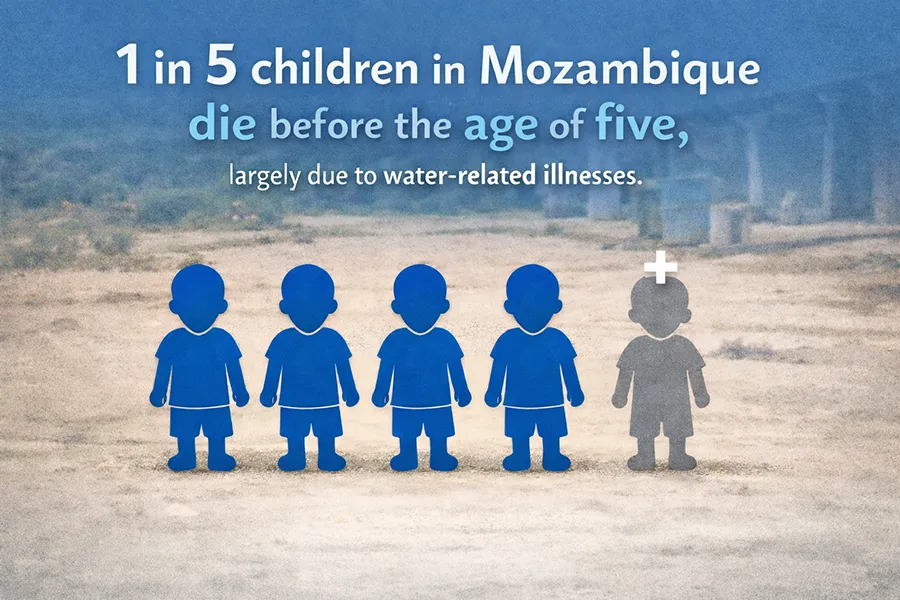
In Mozambique, 1 in 5 children die before the age of five, largely due to water-related illness.
When a village gains access to safe drinking water:
Over time, this creates a healthier, more stable community.
So when people talk about the benefits of clean water, this is where it starts. It saves lives.
Sources:
https://www.unicef.org/water-sanitation-and-hygiene-wash
https://www.who.int/news-room/fact-sheets/detail/drinking-water
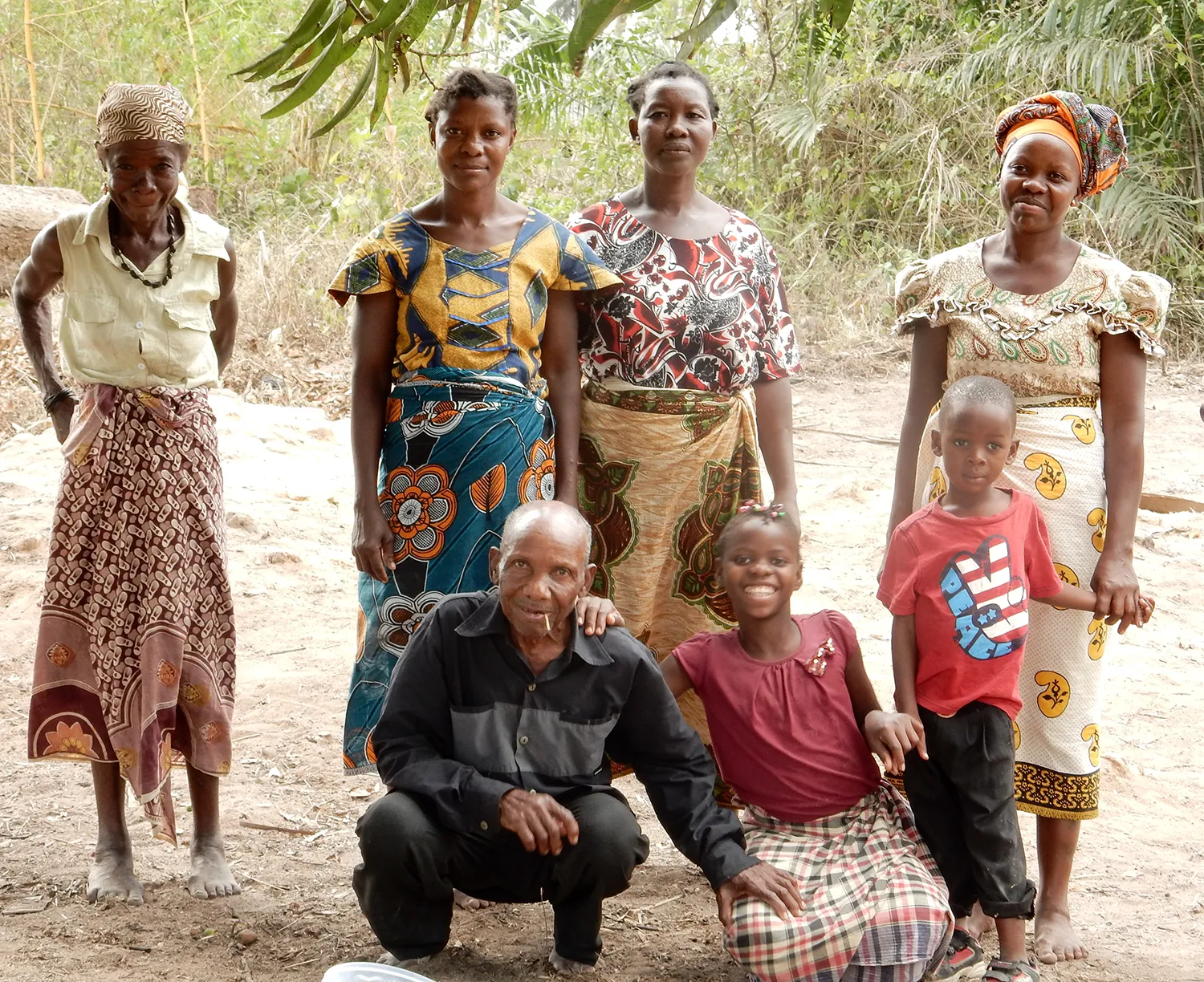
Another major way clean water helps communities is by giving people their time back.
In many parts of Mozambique, women and girls walk between 2 and 8 miles every day just to collect water. That’s hours spent on something most of us never think about.
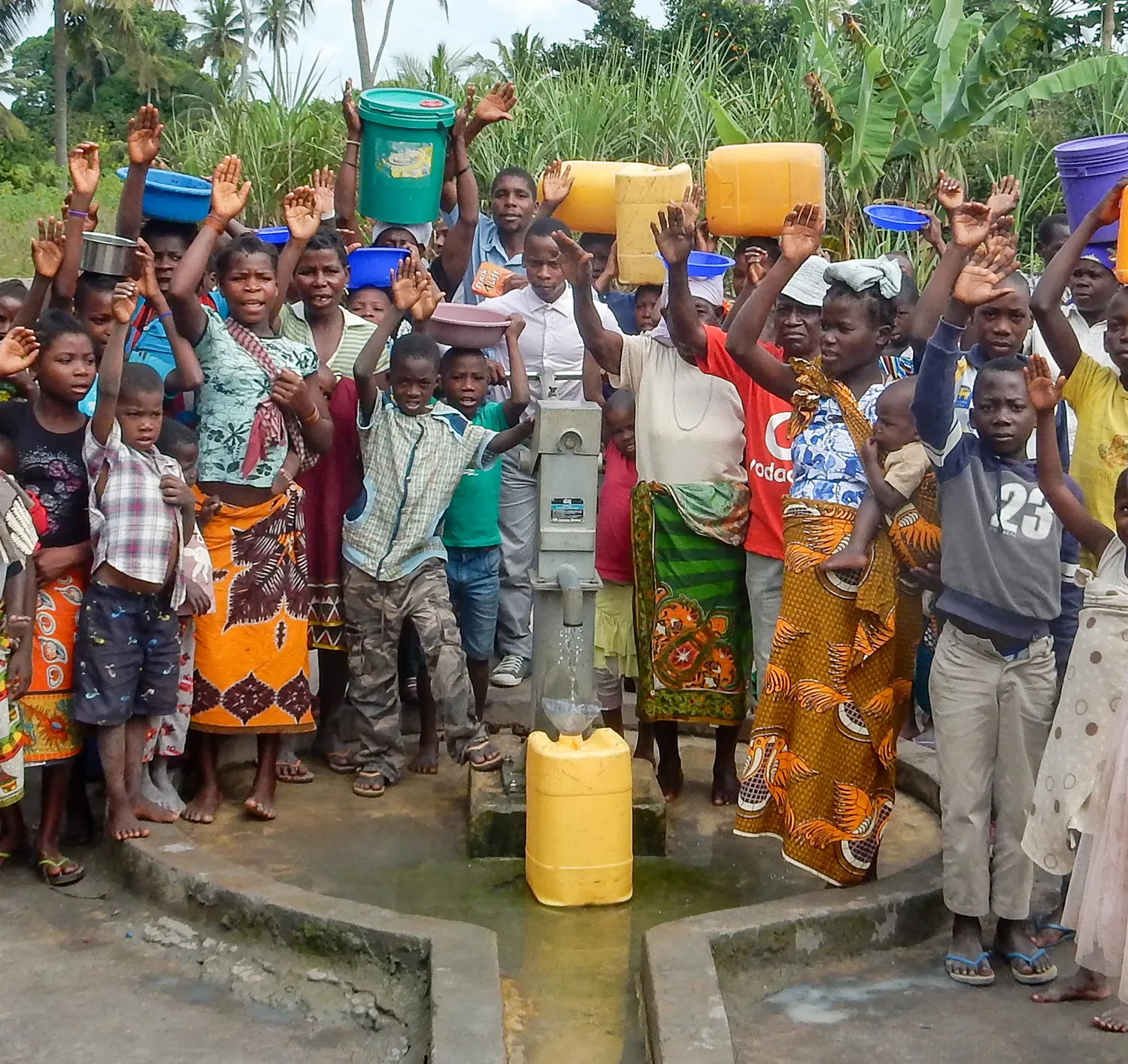
When a village gets a local well, that daily burden disappears.
Instead of walking for water, families can:
This shift may not seem dramatic at first, but it is. Time is one of the most valuable resources a person has. When clean water access removes that daily strain, it opens the door to everything else.
One of the clearest examples of how clean water transforms communities is what happens for girls.
In many villages, it is the responsibility of girls to collect water. That means long walks, heavy loads, and very little time left for school.
When a water well in Africa is installed within the community:
And this is where things really start to compound.
Education changes the trajectory of a life. It creates opportunity, stability, and leadership for the future. So when clean water supports education, it is not just helping one person. It is shaping the next generation.
There’s another side to this that often gets overlooked: Fetching water is not just time-consuming. It can also be dangerous.
Many water sources are located far from the village, which means women and girls must travel through isolated areas. In some cases, they go in groups to reduce the risk of harm.
When a local well is installed, that risk is greatly reduced.
Families experience:
This is one of the quieter ways clean water improves quality of life, but for the people living it, it is deeply significant.
Once you step back, you start to see a bigger pattern.
When health improves, people have more energy.
When time is restored, people can be productive.
When children go to school, the future changes.
All of these things begin to reinforce each other.
That’s why many experts consider access to clean water one of the most important drivers of long-term development. It is not just solving one problem. It is unlocking progress across the board.
Here’s something most people don’t realize.
Not every water project actually works long-term.
Some wells:
That’s why how a well is built matters just as much as whether it is built.
At Water4Life Mozambique, the approach is intentionally different:
This is what makes sustainable clean water solutions possible. It is not just about installing a well. It is about making sure it keeps working.
It’s easy to think that water is the end goal. It’s not.
Clean water is merely the starting point.
It creates the conditions for:
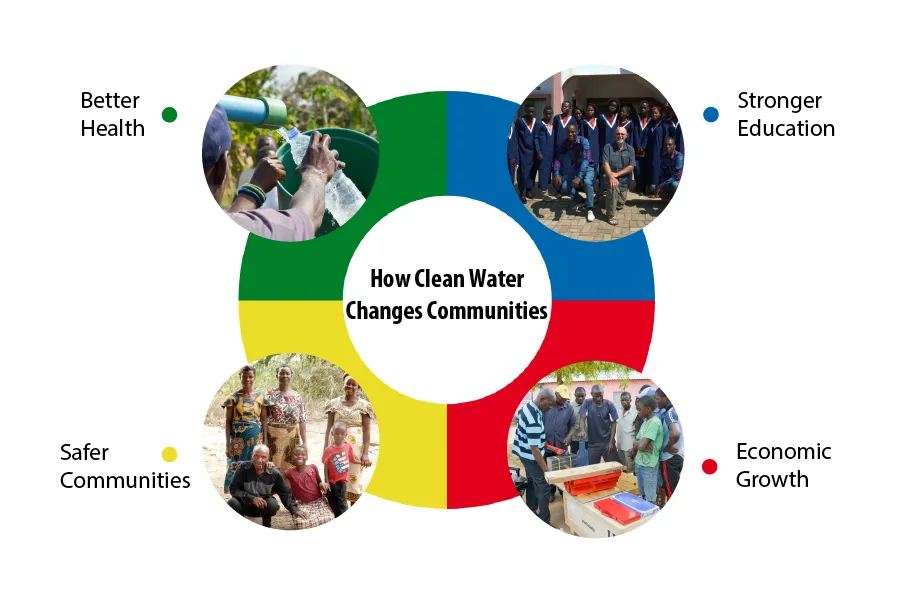
When people ask how clean water changes communities, the real answer is this:
It changes everything that comes after.
There are still many villages in Mozambique without access to safe drinking water.
The cost to build a well that serves an entire village is about $6,900, and that one well can impact hundreds of people and create long-term change.
If you are looking for a way to make a real difference:
You can help bring clean water to communities that need it most, and in doing so, you are not just meeting a need.
You are helping create a future.
Clean water improves health, increases school attendance, restores time, and strengthens local economies. Over time, these changes build on each other and transform entire communities.
Many communities rely on unsafe water sources, which leads to disease, lost time, and limited opportunities. Clean water addresses all of these challenges at once.
Water wells provide a reliable local source of clean water, reducing illness, saving time, improving safety, and supporting education and economic growth.
Wells can fail if they are not drilled deep enough or if communities are not equipped to maintain them. Sustainable systems include both proper construction and local training.
A sustainable project includes deep drilling, reliable water access, and equipping the local community with tools and knowledge for long-term maintenance.
A single well can serve hundreds of people, depending on the size of the village.
You can contribute financially, partner with an organization, or help raise awareness about the importance of clean water access.