Changing Lives
January 1, 2026
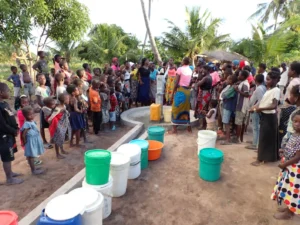
Water wells drilled by Water4Life Mozambique are changing village lives in many ways: Girls can now get an education. Instead…
For many children, going to school is a normal part of daily life. They wake up, get ready for class, and spend the day learning alongside their friends.
For many girls in rural Mozambique, the day begins very differently.
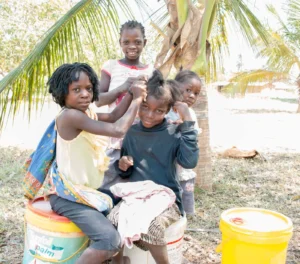
Before they can think about school, they often have another responsibility waiting for them: collecting water. In villages without reliable access to clean water, girls may spend hours each day walking to distant rivers, ponds, or hand-dug water holes. The journey is physically demanding, time-consuming, and often unsafe.
This is why access to clean water in Mozambique is about much more than hydration. It affects education, health, safety, and opportunity. When a village gains a reliable source of clean water, one of the first and most meaningful changes is often seen in the lives of girls.
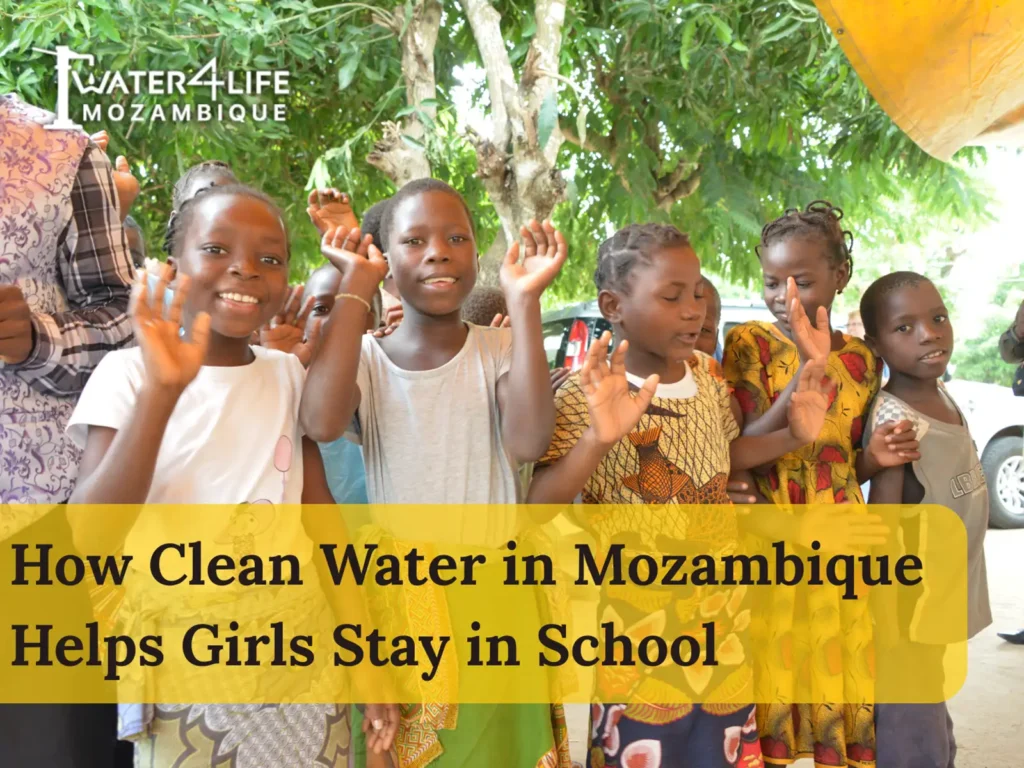
Many people think of water projects primarily as health initiatives. While clean water certainly reduces disease and improves overall health, its impact extends much further.
In many rural communities, women and girls are responsible for collecting water for their households. Water is needed for drinking, cooking, cleaning, and caring for livestock. Without a nearby water source, someone must make the trip every day.
For girls, this often creates a difficult choice.
The hours spent collecting water are hours that cannot be spent in the classroom. Even when girls are able to attend school, long walks for water can leave them exhausted and unable to fully participate in their studies.
Access to clean water in Mozambique helps remove one of the most significant barriers to education in many rural villages. When water becomes available close to home, girls gain something incredibly valuable: time.
Time to learn.
Time to study.
Time to dream about their future.
Sources:
Education creates opportunities that can last a lifetime.
Girls who remain in school are more likely to develop literacy and vocational skills, contribute to their local economies, and become leaders within their communities. Education is also linked to improved health outcomes, reduced poverty, and greater long-term stability for families.
A girl who completes her education gains more than knowledge. She gains confidence, opportunity, and the ability to help shape the future of her village.
That is one reason why improving access to clean water in Mozambique can have such far-reaching effects. A single well may seem like a simple project, but the opportunities it creates can impact generations.
Sources:
https://www.unicef.org/education
https://www.worldbank.org/en/topic/education
Time is only part of the equation.
Many communities without access to safe drinking water experience high rates of waterborne diseases such as diarrhea, cholera, and typhoid. Children who become sick frequently miss school and fall behind in their studies.
The impact can be devastating.
According to Water4Life Mozambique’s research and field experience, access to clean water helps reduce disease, improve overall health, and create healthier learning environments for children. Clean water allows families to drink, cook, and wash more safely, reducing exposure to harmful contaminants.
When children are healthier, they spend more days in school and fewer days recovering from preventable illnesses.
This is another reason why clean water in Mozambique plays such a critical role in educational success.
Sources:
https://www.who.int/news-room/fact-sheets/detail/drinking-water
The conversation about water frequently focuses on health and education, but safety is equally important.
Many remote water sources are located far from villages. Girls and women often walk long distances to collect water, sometimes traveling through isolated areas. These trips can expose them to numerous dangers and create unnecessary risks for families.
When clean water is available within or near a village, those risks are dramatically reduced.
Girls spend less time traveling and more time where they belong: with their families, in school, and participating in their communities.
For many supporters of Water4Life Mozambique, this is one of the most compelling reasons to invest in water projects. A single well can improve safety, education, and health all at the same time.
Not all water projects are created equal.
A well that stops functioning after a few years cannot deliver lasting transformation. Unfortunately, many organizations focus on installation while giving less attention to long-term sustainability.
Water4Life Mozambique was built around a different philosophy.
Our mission is to provide clean water in Mozambique through deeper, longer-lasting wells while equipping villages with the tools, training, and materials needed to maintain their systems for years to come. We partner with local leaders and churches, helping create community ownership and long-term accountability.
Every project is designed to be more than a short-term solution.
We believe sustainable access to clean water in Mozambique creates sustainable opportunities for education, economic growth, and community development.
As our organization often says, clean water is the first step, but it is never the last.
It is easy to think of a well as a construction project.
The reality is much bigger.
A well can reduce disease.
A well can improve safety.
A well can strengthen families.
A well can support local economic growth.
Most importantly, a well can help a girl stay in school.
When that girl receives an education, she gains opportunities that can influence her family, her community, and future generations.
This is why the impact of clean water in Mozambique extends far beyond water itself.
Every village that gains access to clean water gains access to possibility.
Water4Life Mozambique remains focused on one mission in one place: helping villages throughout Mozambique gain reliable access to clean water.
Our vision is simple.
We want every village in Mozambique to have a clean, community-owned water source so every girl has the safety, health, and educational opportunities she needs to thrive.
We believe that when a village gets water, a girl gets a future.
Every well Water4Life Mozambique installs helps create healthier communities and greater opportunities for children throughout rural Mozambique.
When you partner with Water4Life Mozambique, you are helping provide clean water, improve educational opportunities, and empower villages to build a stronger future.
Learn more about our work, sponsor a village, or join us in bringing clean water to communities across Mozambique.
Clean water reduces the time girls spend collecting water and helps prevent illnesses that keep children out of school.
When water is available nearby, girls can spend more time in class instead of walking long distances to collect water for their families.
In many rural communities, collecting water is traditionally considered part of household responsibilities carried out by women and girls.
Clean water helps reduce exposure to waterborne diseases, improving overall health and reducing missed school days.
Water4Life Mozambique focuses exclusively on Mozambique, drills deeper wells, operates with in-country teams, and equips villages with tools and training for long-term sustainability.
A complete village well project currently costs approximately $6,900 and can impact hundreds of people.
You can donate, sponsor a village, share the mission with your church or organization, or help raise awareness about the importance of clean water in Mozambique.